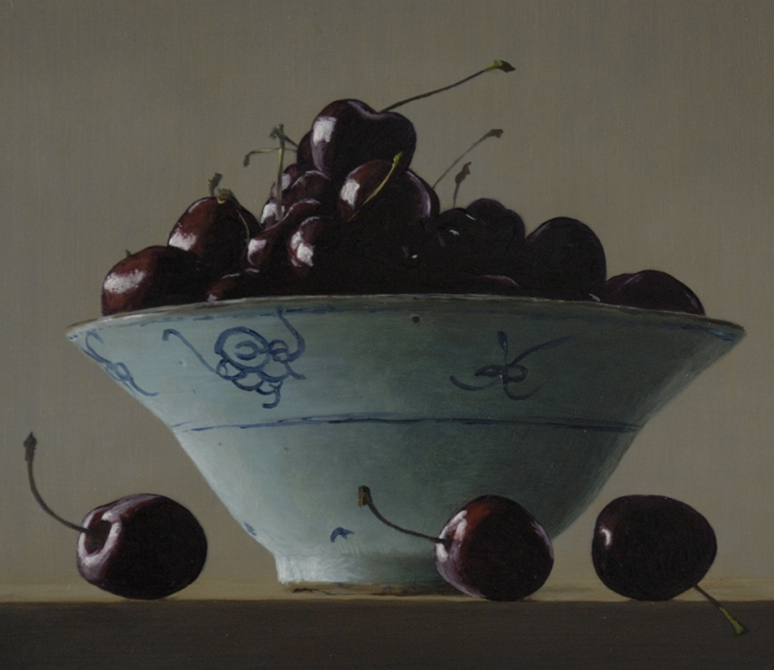
painting

Children’s art, in the perception of the observer [UPDATE 2]

Thursday, January 18th, 2007

what.jpg

Red gauche on paper

Let’s for a moment accept the proposition that children artists can be considered “real artists.” What an odd type of artist a child makes, if you think about it. What a short career a child has as an artist, always in transition. Who could be worse at writing an artist’s statement than a child? (more…)

What’s up Winkleman?

Wednesday, January 10th, 2007

vasepainting1-4501.jpg

Who is the most influential art blogger? Ed Winkleman, of course. I haven’t been following his blog as closely as I would like to, but yesterday I took a look and the title of his recent post Art About Art got me excited. I’ve been working on an essay about this general subject “art about art”, and I wondered if I had been scooped. In fact, there was no connection; Winkleman’s post could have been titled “Art about making art,” how artwork depicting artists “caught in the act” of creation tells us about how artists did what they did. In my own experience this is a fruitful avenue for research, because there is much to be learned about studio practice from old paintings, (how to store brushes in linseed oil, for example, or how the palette was laid out in the 15th century). There is also much to learn from ancient art about the making, painting, and firing of ancient Greek ceramics.

Back to art about art — the concept of depicting art in art opens a lot of possibilities. The imaginary vase painting still life above is an example. I have long been fascinated by Athenian vase painting because of the potential of the vase to act as a “frame” for drawings and paintings on the vase itself. This fascination led me to a long love affair with ceramics and kiln building — that’s for another time though. The painting above is a technical study in how to paint a representation of a vase with oil colors on canvas. The form of the vase is based on studies of a stamnos in a museum in nearby Leiden, while the “red figure painting” is based on a painting on an amphora in the same museum. I studied these ancient objects by drawing in my sketchbook at the museum, then created this fantasy synthesis in my studio.

In fact, I worked out the rough form of the vase together with Hanneke van Oosterhout in a large painting we did together. I made this study to develop the technique for painting the vase before overpainting it in the large painting.

Every blog post should end with a question, right? Okay then, what do you think about Ed Winkleman’s blog? Or, what do you think about “art about art”? Or, what do you think of collaborating on artwork?

related post: Art about art and doing a 180

How do you clean your brushes?

Monday, January 8th, 2007

I have been doing pretty well with my New Year’s resolutions: to draw, paint, sculpt and photograph each day. Part of the key is to make the energy barrier for each activity as low as possible. With painting in oil, an important consideration is, how to clean my brushes?

Here is what Cennino Cennini wrote (probably in the 14th century):

. . . have a plate of tin or lead which is one finger deep all around, like a lamp; and keep it half full of oil, and keep your brushes in it when idle, so that they will not dry up.

In Cennino Cennini’s time, artists did not use organic solvents for oil painting. To keep their oil painting brushes from drying up, they stored them in linseed oil. A slight improvement on Cennini’s method is to have the hair of the brush in oil, while the handle remains oil free.

The advantage of storing brushes in linseed oil is that it is easier and faster to clean them. The painter does not need to remove the oil, only the pigment.

How do you clean your brushes?